Flashings for changing angle
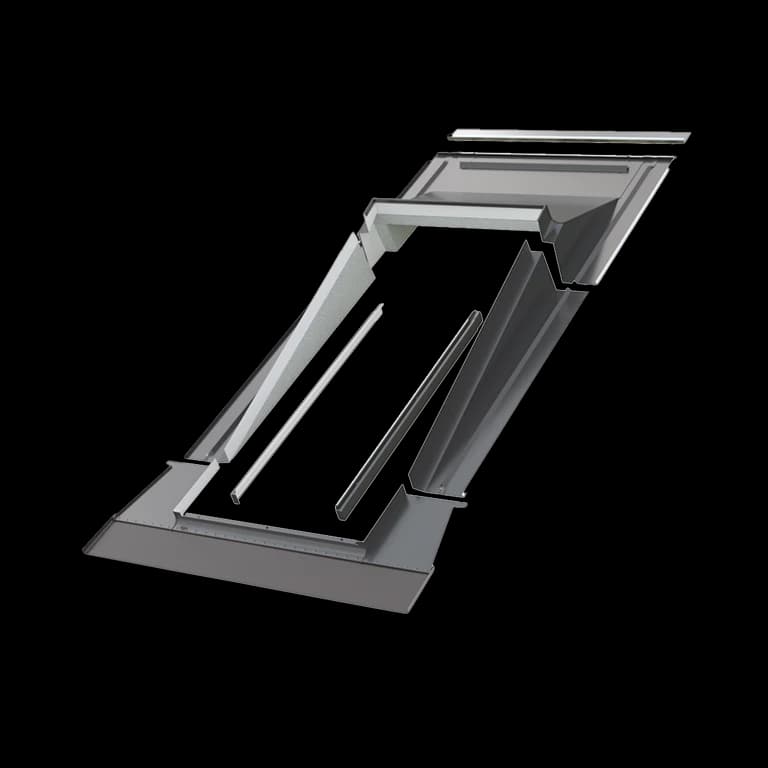
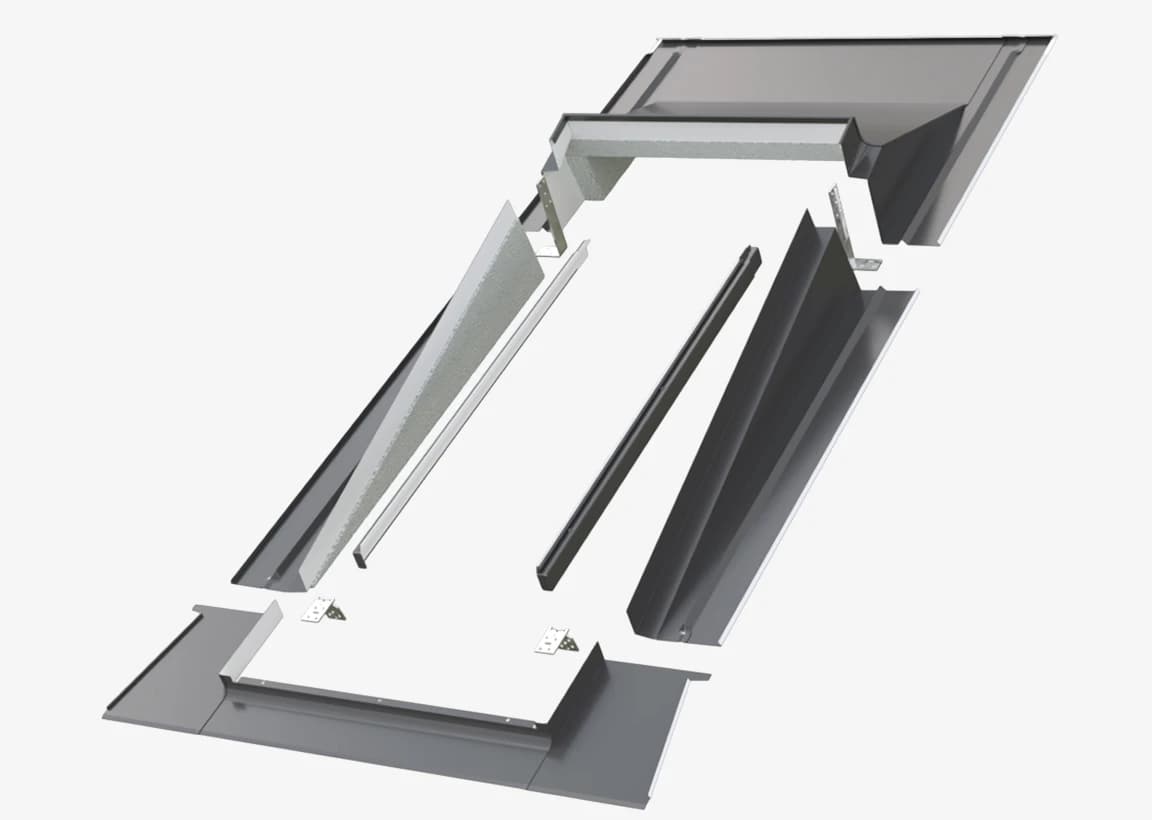
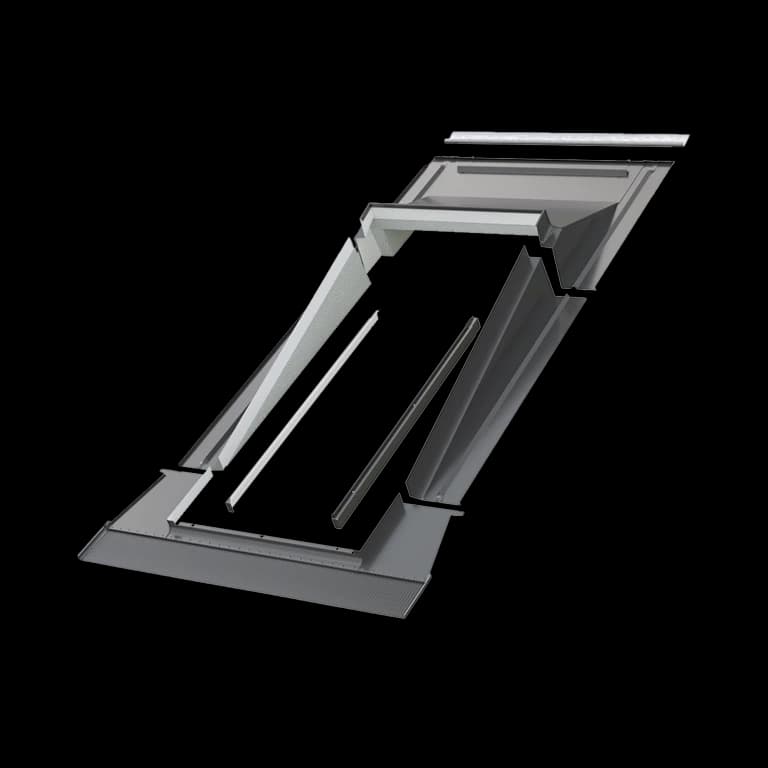
Flashings for changing roof window installation angle
In many buildings, a low-slope roof becomes a barrier that limits the freedom to illuminate interiors with daylight and use functional roof windows. In practice, this means less natural light, more difficult ventilation and limited flexibility in attic design. Flashings for changing installation angle overcome these limitations, creating space for traditional roof windows even where the roof geometry would otherwise make this impossible. By using specially designed angle brackets and structures tailored to the roofing type, you can increase the installation angle by an additional 10°, gaining greater comfort, wider adaptation options and aesthetically pleasing architecture.
The key role of flashings in low-slope roofs
Flashings for changing installation angle create a consistent and secure connection between the window and the roof, which is particularly important in low-slope roofs, as rainwater and snow remain on such roofs for longer and can place a greater load on roof details. The ESA, EZA-P and EHA-P designs allow for the installation of windows on roofs with pitches as low as 10°, opening up entirely new design possibilities. Increasing the installation angle improves attic lighting and increases installation flexibility, while the built-in water drainage elements ensure trouble-free operation of the entire detail for many years.
Solutions tailored to all roofing types
Choosing the right flashing directly translates into the tightness of the roof and user comfort, which is why the structures have been divided according to the specific characteristics of the roofing. The ESA creates a perfect combination with flat roofing materials such as roofing felt, bitumen shingles or slate up to ten 10 mm thick, maintaining a uniform roof line and aesthetics visible even with large roof surfaces. The EZA-P model is suitable for corrugated roofing with a profile of up to 45 mm, i.e. ceramic and concrete tiles and various types of sheet metal. The EHA-P, on the other hand, meets the needs of roofs with high-profile roofing up to 90 mm, creating a tight barrier against water, snow and wind, even with very distinctive roof tile shapes. Each of these models maintains the uniform roof geometry and aesthetics in line with the colour scheme of contemporary roofs.
Designed for stability and tightness
Each flashing consists of a set of elements that form a complete, multi-layer protective barrier. The bottom, top and side segments work together with the frame side covering profiles, while the plastic masses and seals adhere precisely to the surface of the covering, creating a stable and durable connection. Models designed for corrugated and high-profile roofing use factory-made sealing wedges that protect against snow, dust and leaves blowing in. Drainage gutters remove condensation from the initial covering foil, eliminating the risk of moisture damage to the structure. This design allows for high tightness even at low roof angles, where traditional flashings would not provide sufficient protection.