Non-opening combination windows
Non-opening windows for vertical combinations, installed exclusively under roof windows.
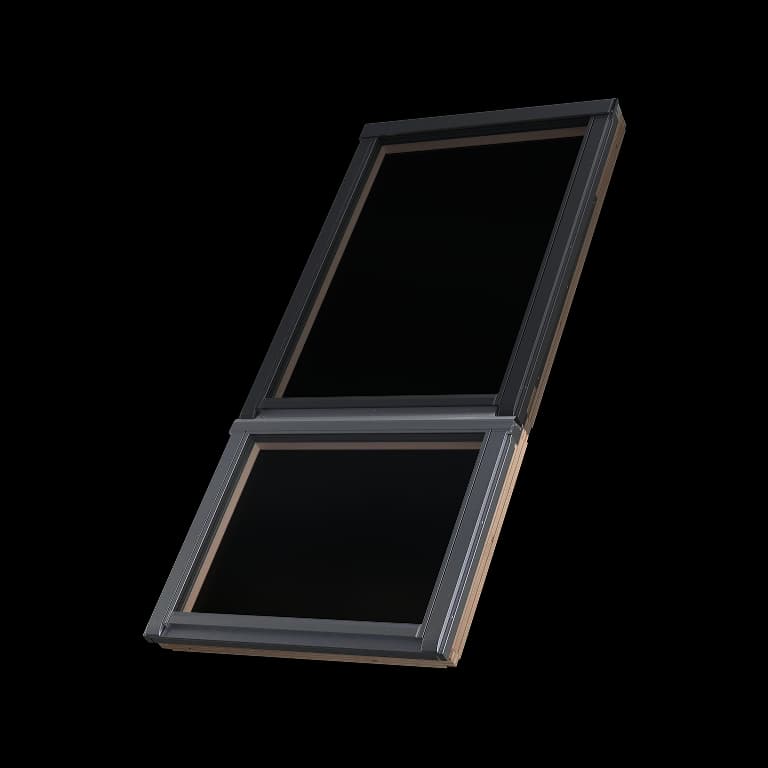
Control system: Non-opening
Thermal transmittance coefficient Uw: 1 W/m2K
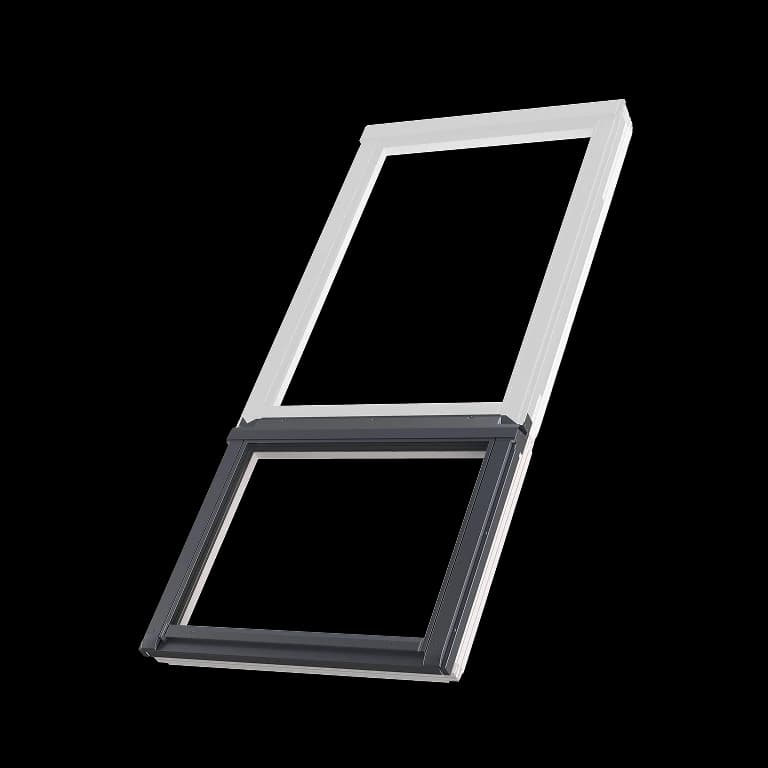
Control system: Non-opening
Thermal transmittance coefficient Uw: 1 W/m2K
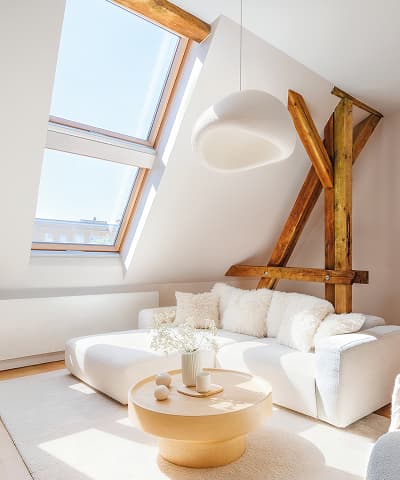
Wooden roof windows
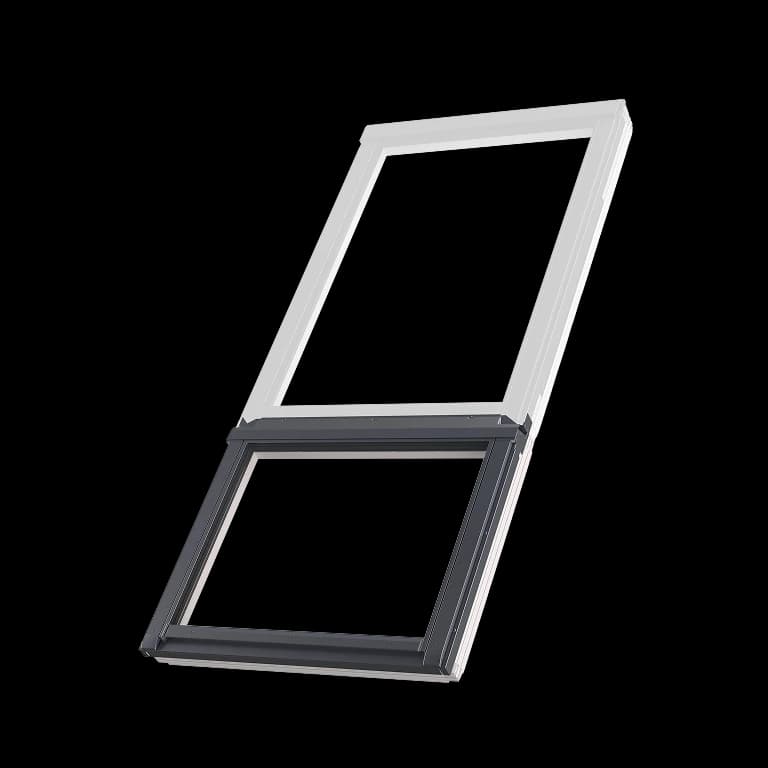
Control system: Non-opening
Thermal transmittance coefficient Uw: 1 W/m2K
Articles and videos to help you make the right choice
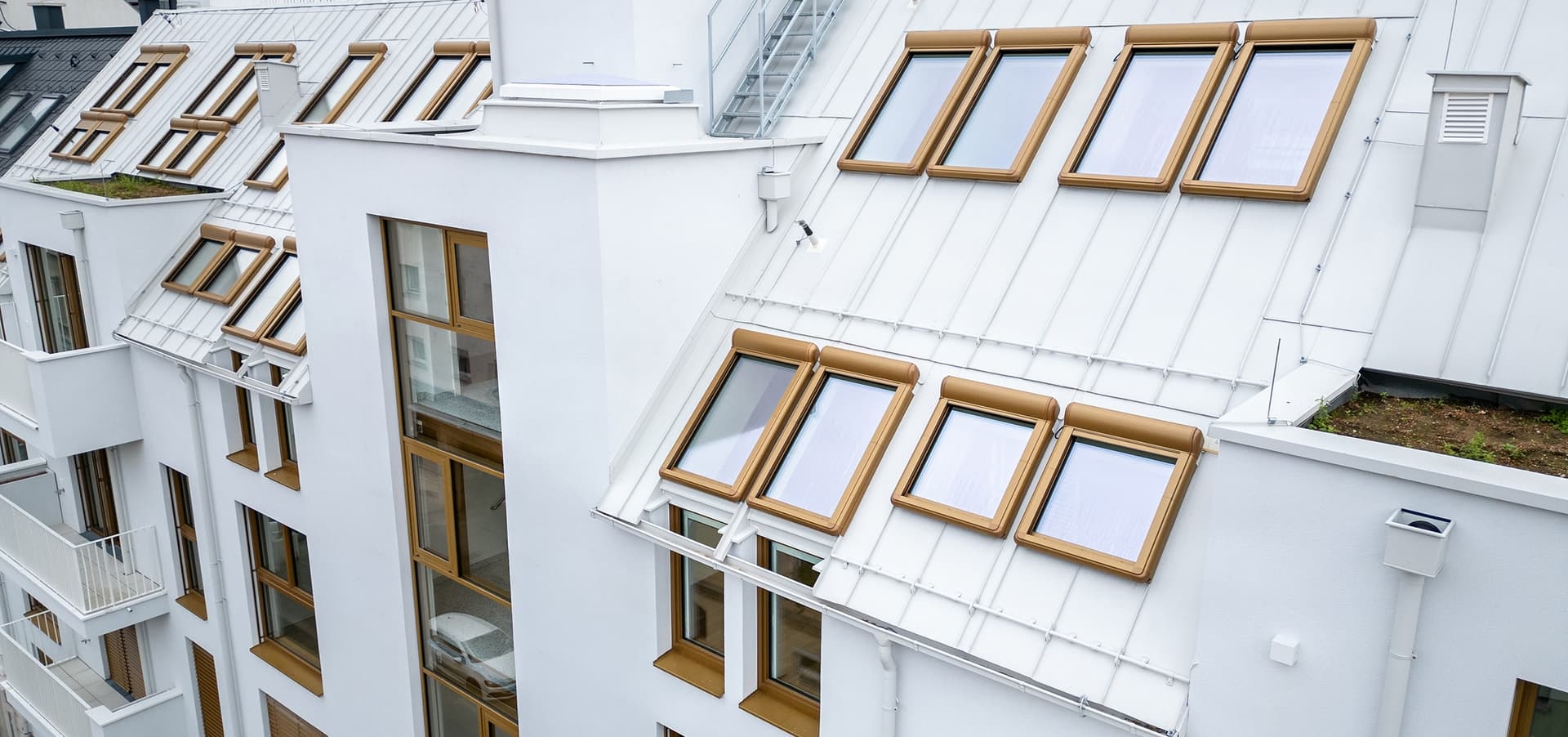
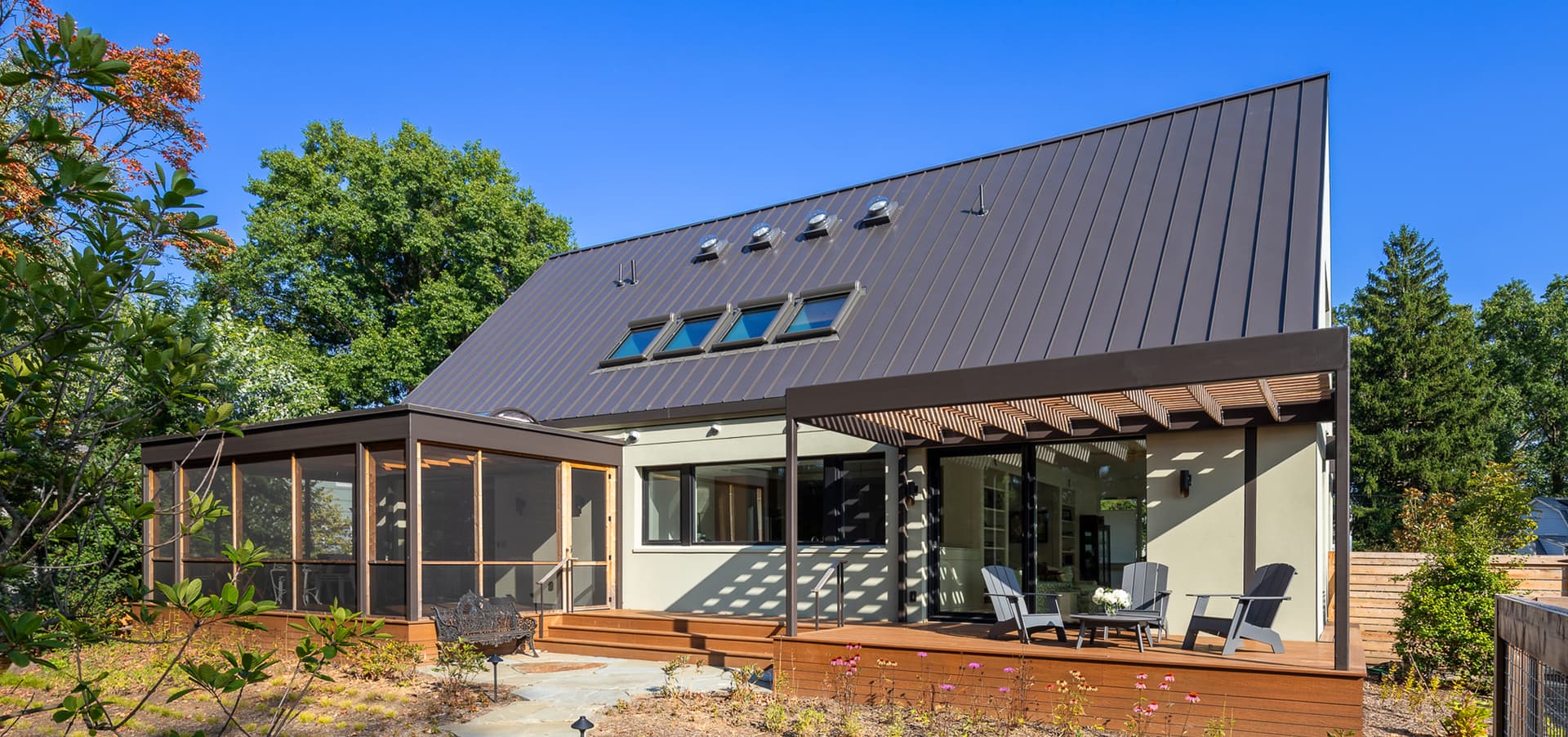
Non-opening roof windows – a functional addition to your attic space
Non-opening roof windows are a solution that allows you to easily increase the amount of light in a room and improve the feeling of spaciousness inside. Installed in combination with other roof windows, most often below an opening window in a vertical arrangement, they allow you to create a larger glazed area. This allows more natural light to enter the room and provides a wider view from the attic – both of the sky and the landscape. The design without an opening mechanism means fewer visible frame elements, which translates into a uniform glass surface. In everyday use, such windows require less maintenance, and their simple design helps to maintain tightness for a long time. It is also a solution that works well in both residential and utility rooms, where the priority is to illuminate the interior rather than to be able to open the sash.
Interior lighting and the use of vertical combinations
Roof windows for vertical combinations play an important role in the attic space design. The installation of additional glazing in the lower part of the unit allows sunlight to reach areas that remain poorly lit in traditional buildings. This could be the area near the knee wall, a seating corner, a work area or the space around the dining table. Light entering from a lower point in the roof illuminates the entire interior more evenly, and thanks to the larger glass surface, the view from the window becomes more complete. The impression of spaciousness is particularly noticeable in smaller rooms, where every additional ray of sunlight counts. The inability to open also means that the entire structure can be slimmer and the glazing larger in relation to the frame dimensions. This combination works well in rooms where the main ventilation function is taken over by another, opening roof window located directly above the non-opening element.
Thermal and acoustic benefits of using triple-glazed units
Roof window combinations with non-opening elements are equipped with triple glazed-units, which has a significant impact on thermal comfort in the building. A heat transfer coefficient of 1.0 W/m²K means that heat stays inside in winter and rooms heat up less in summer. This translates into smaller temperature fluctuations and a more stable microclimate, which can reduce heating and cooling costs. In addition to thermal insulation, noise reduction of 37 dB is a considerable advantage. This parameter significantly reduces street noise, traffic noise and heavy rainfall. As a result, attic rooms become more conducive to work, rest and peaceful sleep. The high tightness of the structure also prevents moisture and wind from entering, which further increases the comfort of everyday use.
A variety of finishes and suitability for specific conditions of use
Non-opening roof windows are available in a range of finishes to suit different needs. Models with natural pinewood, protected with a clear varnish, add a warm touch to the interior and are ideal for rooms where preserving the natural structure of the material is important. In turn, versions with a white, smooth polyurethane finish work well in areas with higher humidity, such as bathrooms or kitchens, as their surface is resistant to water vapour and easy to keep clean. Cladding in colours such as anthracite, black or grey-brown allows for a consistent match with the roof, which helps to maintain the aesthetic continuity of the building. The materials used and the finish mean that these windows can be installed in both residential and commercial buildings where the priority is to illuminate the interior while maintaining the appropriate thermal and acoustic parameters.