Terrace windows
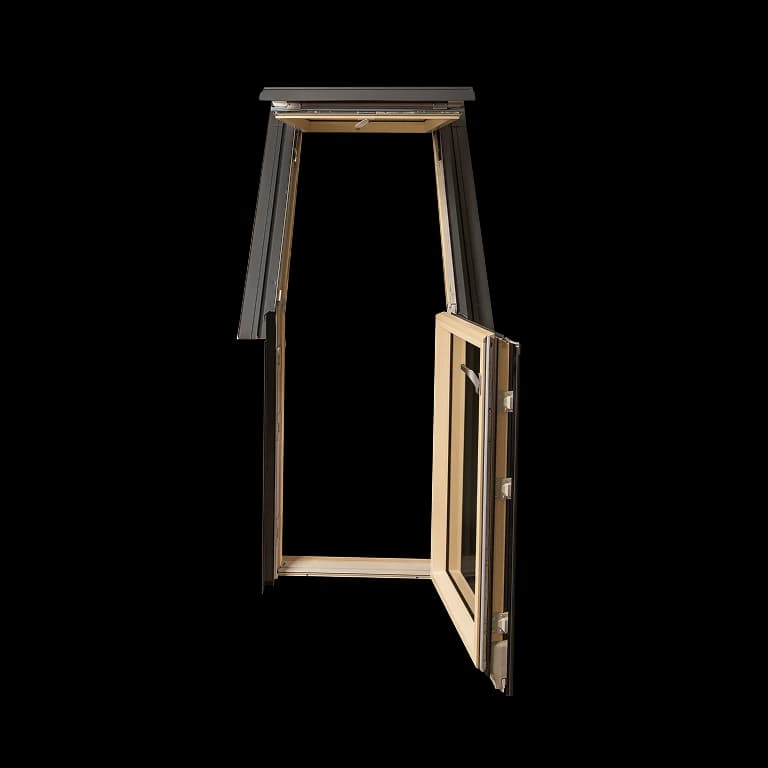
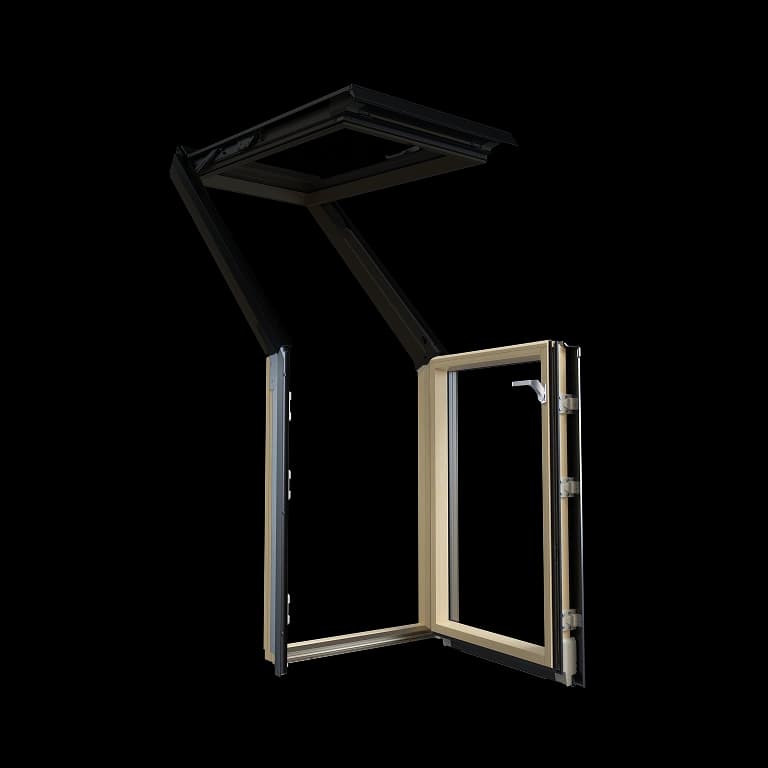
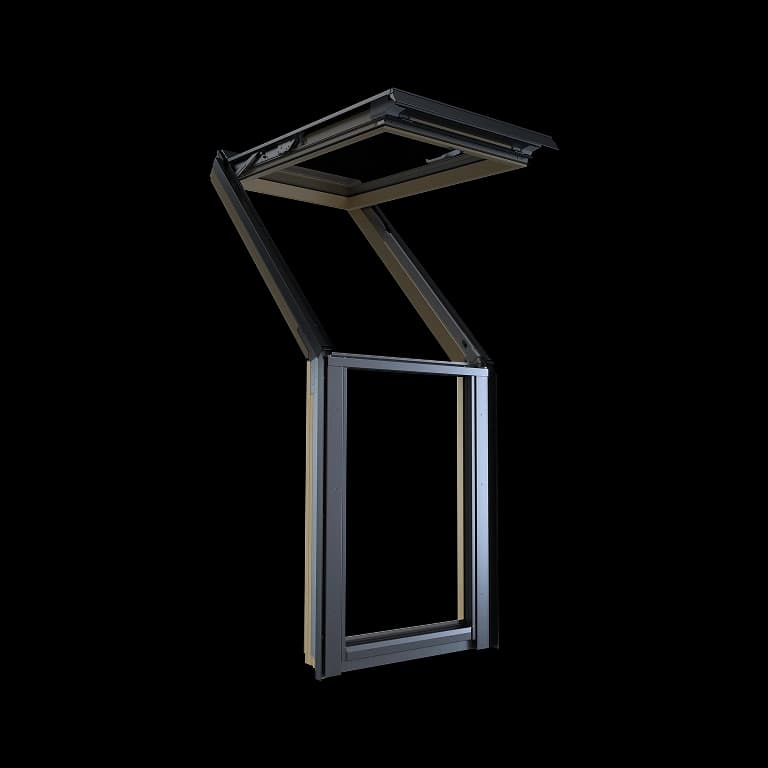
A combination of a roof window and vertical window in the knee wall, creating an exit to the terrace or balcony.

Control system: Manual
Control system: Manual
Wooden roof windows
Control system: Manual
Control system: Manual
Control system: Manual
Articles and videos to help you make the right choice
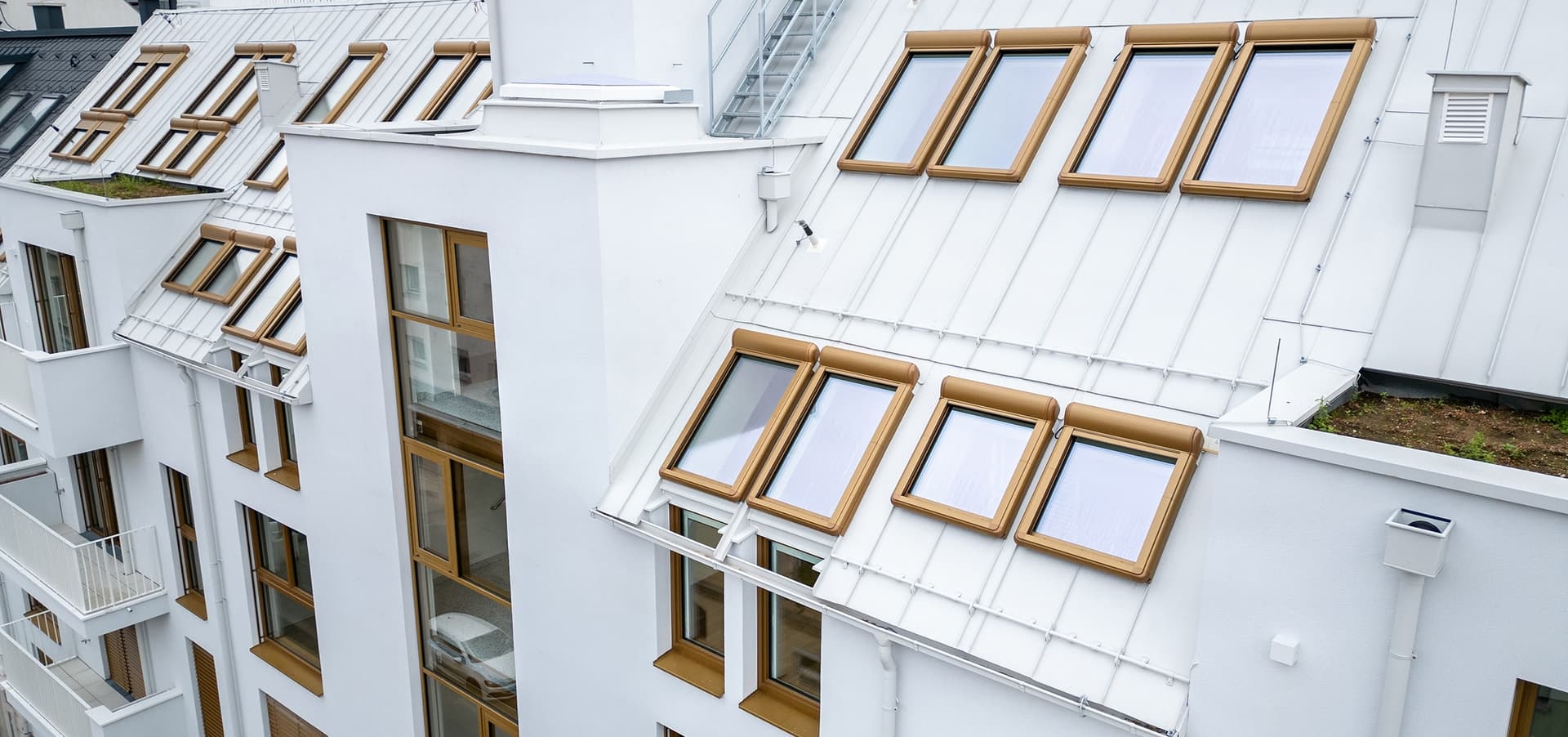
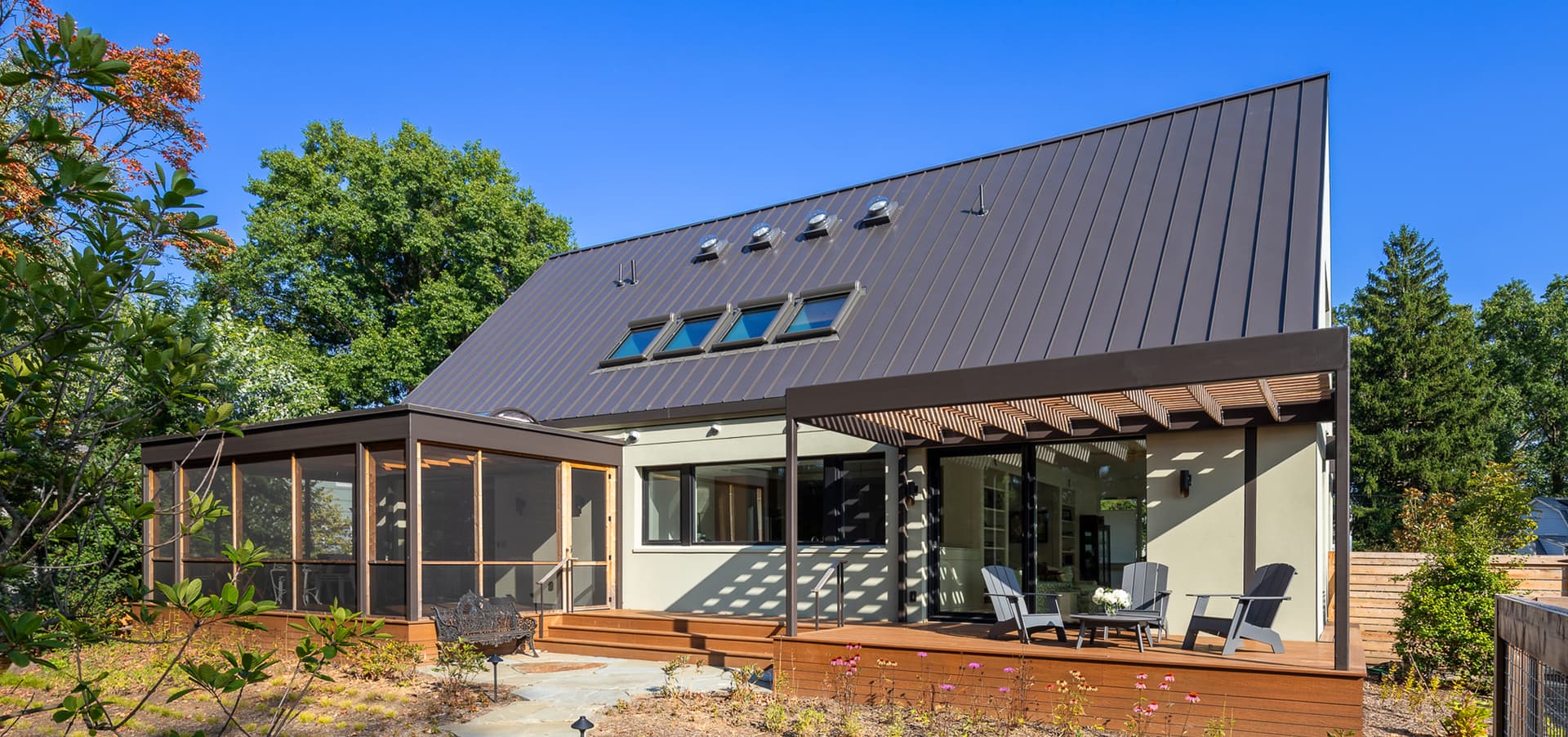
Terrace roof windows – convenient access to the terrace from the attic
Natural light, better contact with the surroundings and convenient access to the terrace or roof balcony are features that distinguish terrace windows installed in combination with a knee wall and roof. Their design is clever as that the upper section is located in the roof slope and the lower section in the knee wall, giving the interior a completely new perspective. Light enters from two directions, the view is wider, and the attic becomes a place where you want to spend more time. Importantly, depending on the selected option, the lower section can be opened to the right or left, allowing free access to the terrace, or remain closed, acting as a fixed glazing to illuminate the interior. This flexibility makes these windows ideal for homes where the terrace is used intensively, as well as those where lighting and optical enlargement of the space are a priority.
Functionality adapted to different lifestyles
Terrace windows of this type offer a wide range of functional possibilities, allowing them to be tailored to the everyday needs of household members. The upper sash, installed in the roof, has two independent opening modes – top hung and pivot. The first one allows for comfortable ventilation of the room and admiring the view without having to lean out, while the pivot mode facilitates window cleaning and full access to the entire sash. The lower section of the window, located in the knee wall, can be designed as an element that opens to the right or left, allowing for convenient entry and exit to the terrace regardless of the interior layout or furniture arrangement. In the non-opening version, the lower sash acts as additional glazing, letting in more natural light, improving visibility, and requiring no maintenance. Regardless of the variant chosen, the window construction is stable, easy to use and durable, which translates into everyday comfort.
Comfort all year round – warm in winter, cool in summer
One of the key advantages of terrace windows installed at the junction of the knee wall and roof is their high thermal insulation performance. Thanks to the use of the energy-efficient P50 glazing unit and thermoPro technology, heat loss in winter is minimal, which allows you to maintain a stable temperature in the room and reduce heating costs. A heat transfer coefficient of 1.1 W/m²K means that heat stays inside the house, and on summer days, the interior is protected from excessive heating. In addition, sound insulation of 37 dB significantly reduces outside noise, which is important if the terrace is located near a street or in a densely built-up area. As a result, regardless of the season and weather conditions, you can enjoy peace, privacy and a comfortable microclimate in the attic.
Bright, open interiors with panoramic views
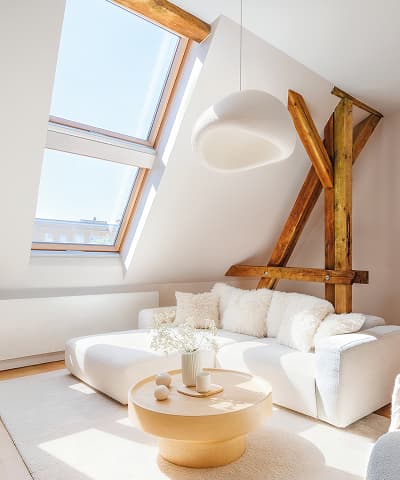
In homes with attics, lighting is crucial – it affects not only the perception of space, but also the well-being of the household members. Terrace windows installed at the junction of the knee wall and the roof allow you to make the most of natural light. Sunlight enters the interior both from above and at eye level, making the room brighter and visually larger. The version with an opening bottom sash allows access to the terrace, which extends the living space with an additional outdoor relaxation area. On the other hand, the model with a fixed lower section is an excellent solution for those who want to increase the amount of daylight without creating a direct passage to the outside. In both cases, the effect is similar – the interior gains spaciousness, better lighting and direct contact with the surroundings.
A look that complements the architecture of your home
In addition to their practical functions, terrace windows play an important role in the appearance of a building. The combination of natural wood or smooth, white, moisture-resistant surfaces allows you to match the finish to the style of the interior – from classic and cosy to modern and minimalist. From the outside, the overall design is complemented by cladding in colours such as anthracite, black or grey-brown, which is resistant to weather conditions and retains its aesthetic appearance for many years. No visible connections between the upper and lower glazing gives the structure a consistent and harmonious look, while the large glass surface further emphasises the openness of the interior to the surroundings. This combination of aesthetics and functionality makes terrace windows in this form an integral part of the home, rather than just a practical addition.