Type G windows
Windows for flat roofs with a flat glass segment.
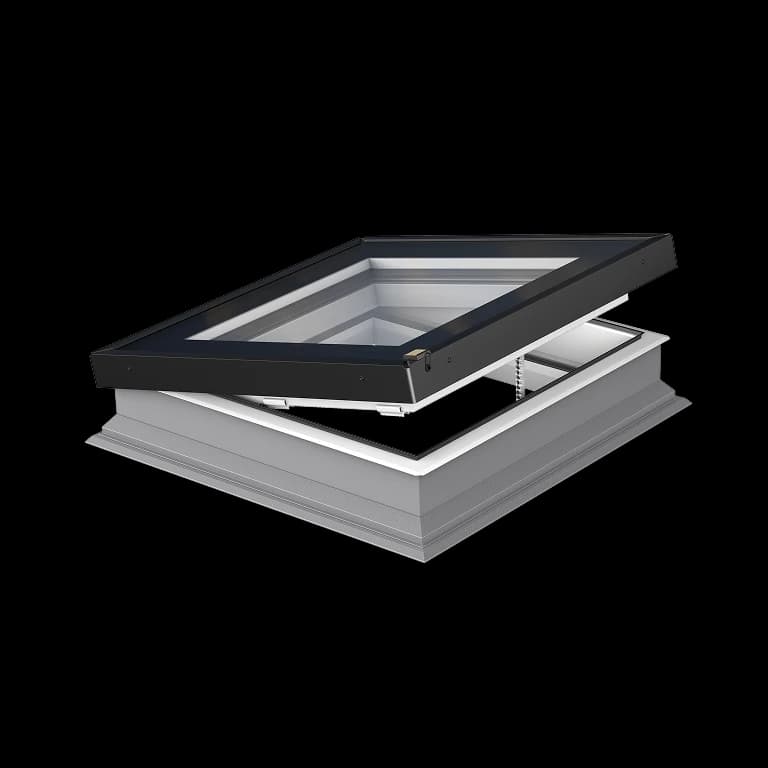
Control system: WiFi Tuya control
Thermal transmittance Uw: 0.92 W/m2K
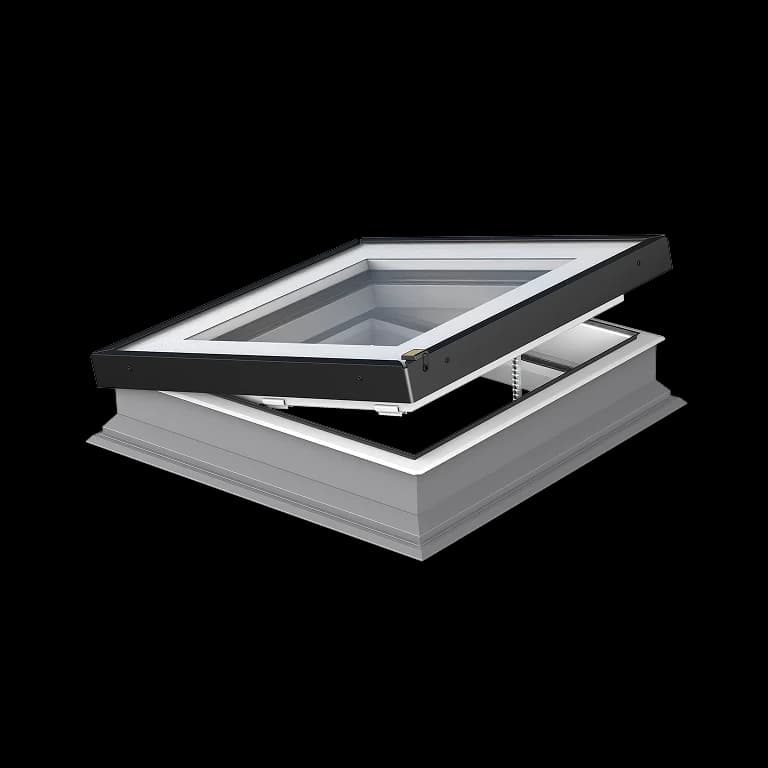
Control system: WiFi Tuya control
Thermal transmittance Uw: 0.92 W/m2K
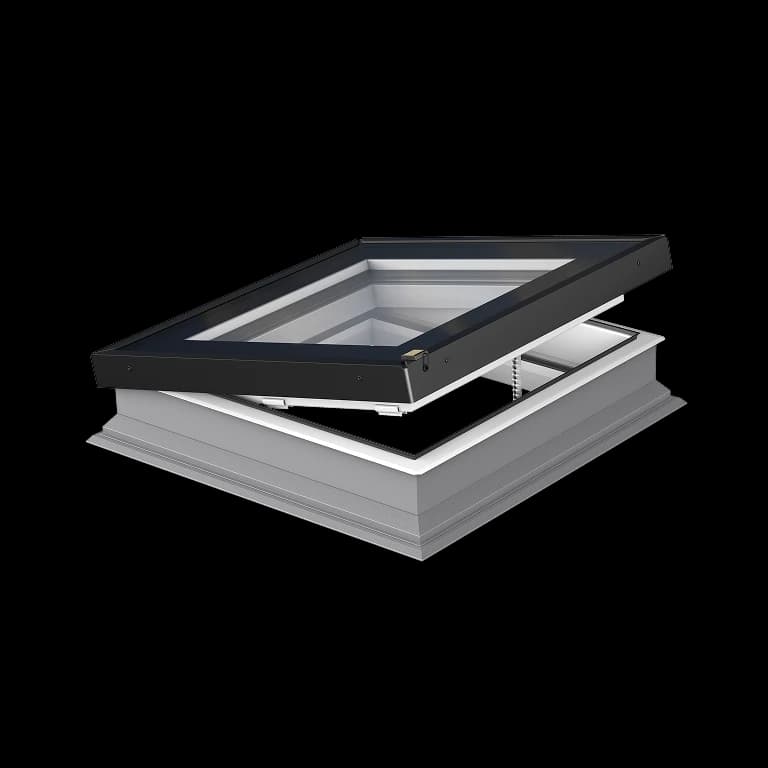
Control system: Z-Wave control
Thermal transmittance Uw: 0.92 W/m2K
Control system: Z-Wave control
Thermal transmittance Uw: 0.92 W/m2K
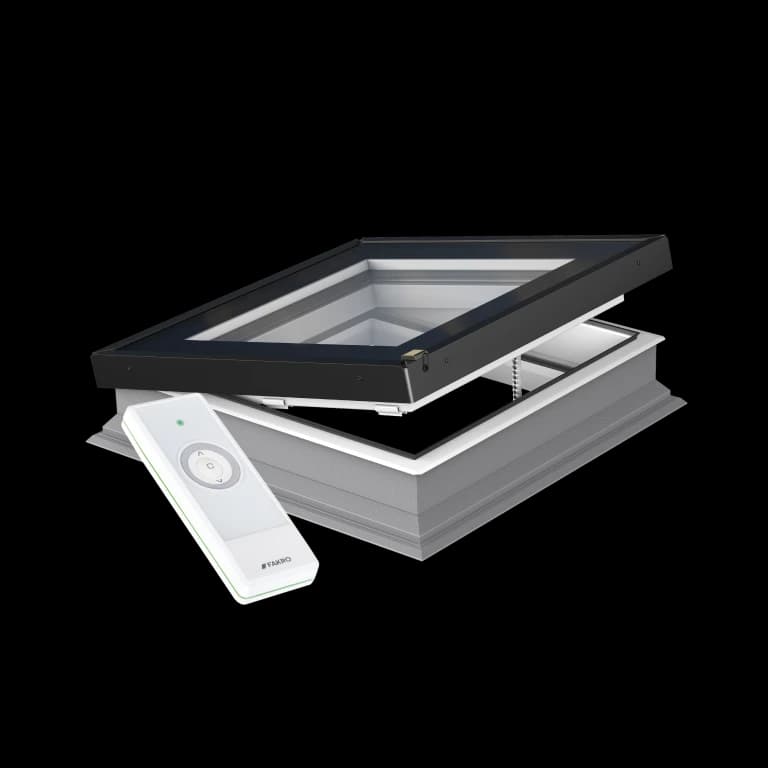
Control system: Z-Wave control
Thermal transmittance Uw: 0.92 W/m2K
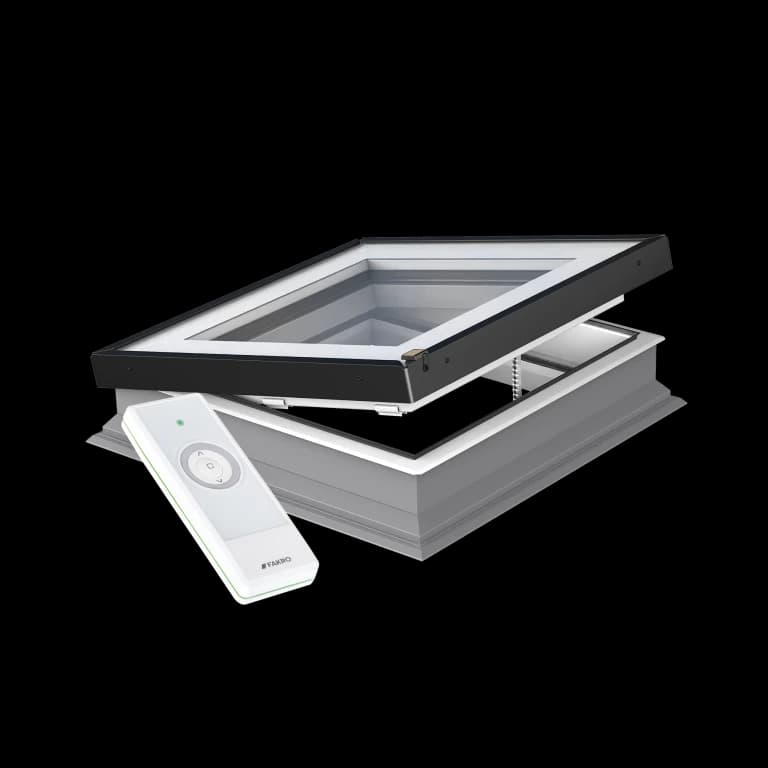
Control system: Z-Wave control
Thermal transmittance Uw: 0.92 W/m2K
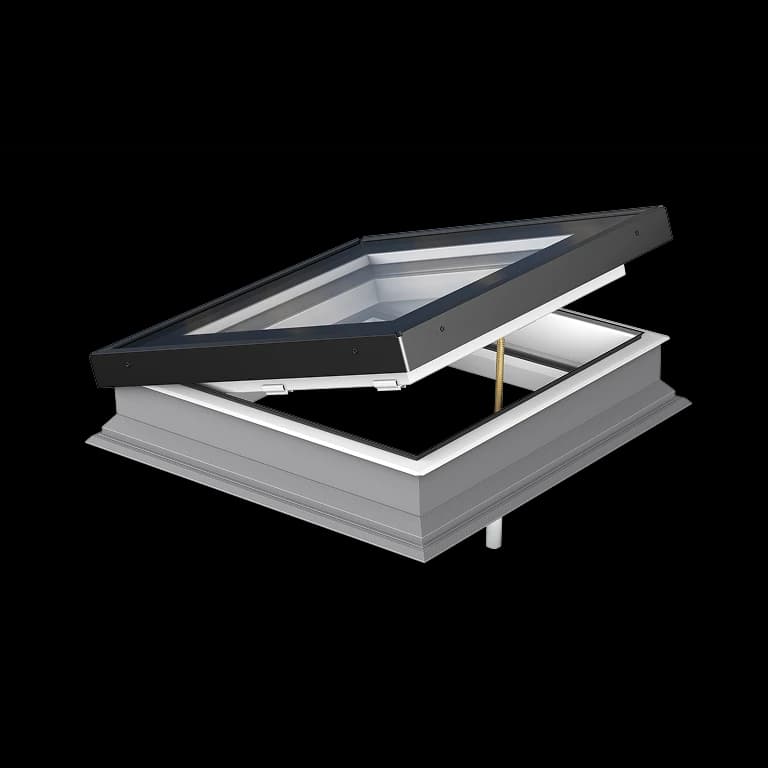
Control system: Manual via control rod
Thermal transmittance Uw: 0.92 W/m2K
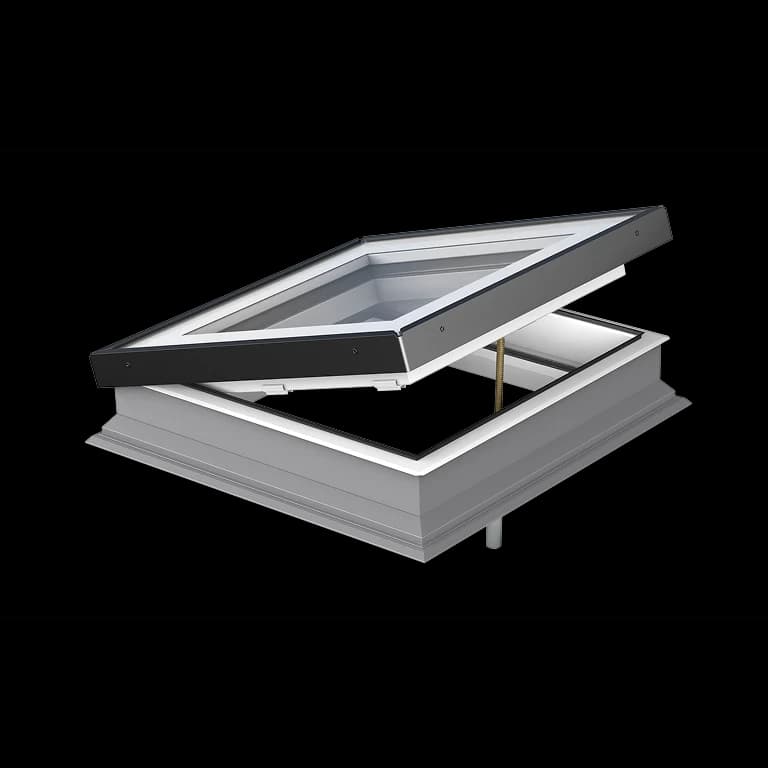
Control system: Manual via control rod
Thermal transmittance Uw: 0.92 W/m2K
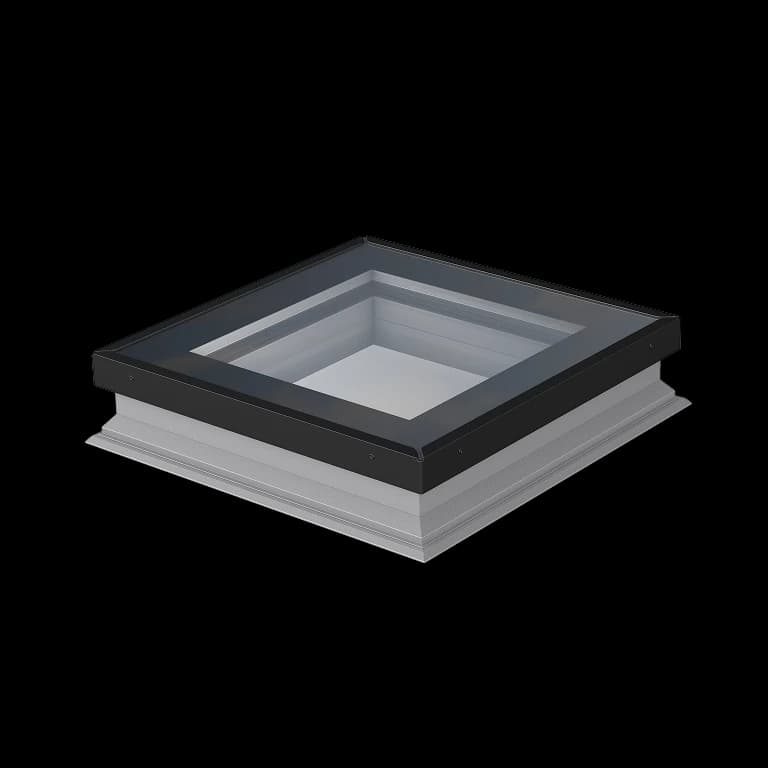
Control system: Non-opening
Thermal transmittance Uw: 0.92 W/m2K
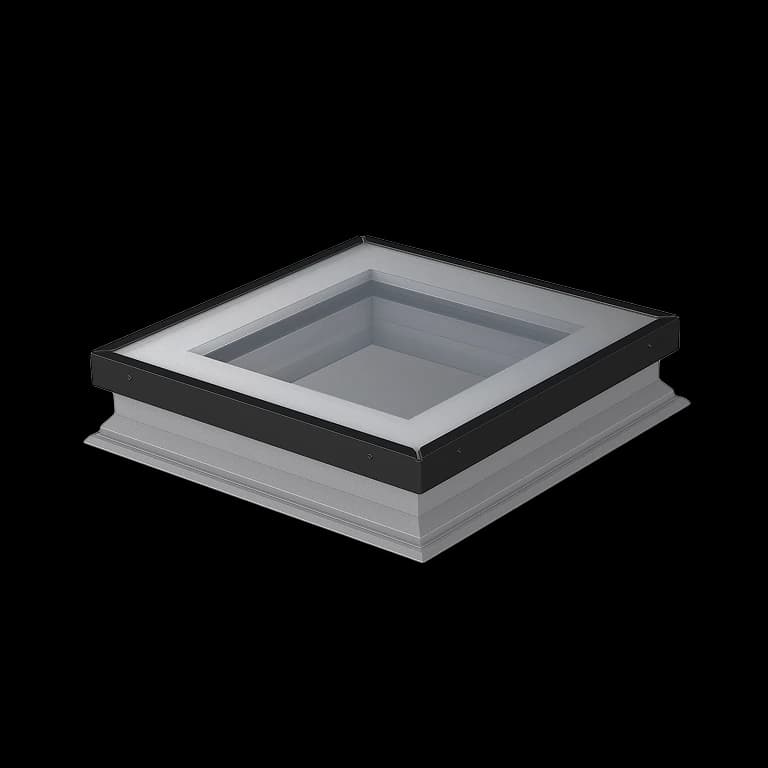
Control system: Non-opening
Thermal transmittance Uw: 0.92 W/m2K
Articles and videos to help you make the right choice
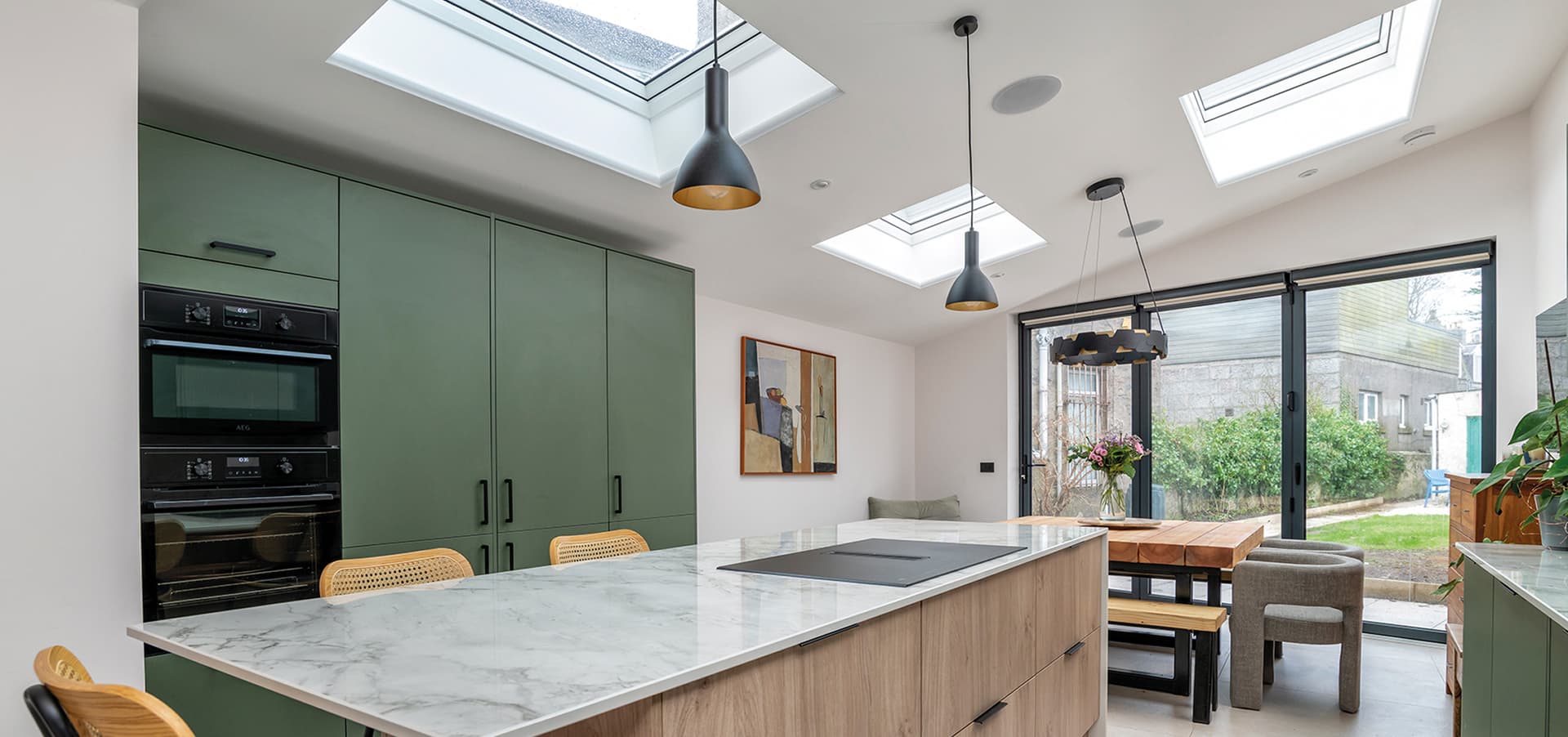
Type G flat roof windows with flat glass segment
Light entering from above has a completely different character than that entering through traditional vertical glazing. It illuminates the interior evenly, making rooms more open and welcoming. In flat-roofed houses, it is the glazing installed in the roof that serves as the main source of natural light. Type G structures, equipped with a flat glass segment, combine elegant appearance and functionality, while effectively ensuring thermal and acoustic comfort.
Lighting that changes room character
Flat-roofed interiors often lack traditional windows, which limits the amount of daylight entering the space. Roof-mounted glazing eliminates this problem by allowing uniform, natural light into the interior. Carefully designed profile geometry and a large glazing area allow for up to 16% more light than standard solutions. Flat insulated glass with a black aluminium profile blends into the roof structure, creating a coherent whole with the building's architecture. Importantly, this design not only brightens up rooms, but also makes them appear larger, which will be appreciated by both residents of single-family homes and users of public buildings.
Functionality tailored to your needs
Not every room requires the same window function – sometimes fixed glazing is sufficient, while other times ventilation is important. That is why non-opening, manually tilting and electrically controlled versions are available. Fixed models are ideal where maximum light and complete airtightness are priorities. Manual options allow the sash to be tilted up to 30 cm, which makes it easy to ventilate the room. Electric versions equipped with the Z-Wave drive can be controlled by a remote control or wall switch, and can also be integrated with Smart Home systems. The tilt range of up to 12 cm is sufficient to ensure natural air circulation, and an additional built-in rain sensor automatically closes the sash during rainfall. This solution ensures comfort and safety without the need for constant monitoring.
Energy-efficient glazing units
One of the most important technical parameters for this type of solution is the heat transfer coefficient (Uw). Type G windows achieve values starting from 0.92 W/m²K in the basic P2 glazing unit. These good parameters are the result of using double- or triple-chamber glazing units filled with noble gas and equipped with low-emission coatings. The P2A laminated inner pane improves safety – if broken, the glass does not shatter into sharp fragments. Meanwhile, the toughened outer pane, covered by a lifetime hail-resistance warranty, ensures durability even in the harshest weather conditions.
Durability and resistance in everyday use
The structure of type G windows is based on white (RAL 9010) PVC profiles, which, thanks to their multi-chamber construction and insulating material, are highly resistant to moisture and temperature changes. This solution is ideal for bathrooms, kitchens, and laundry rooms, where conditions are more demanding. The frame surfaces do not require complicated maintenance – simple care is enough to keep them looking good for years. Equally important is compatibility with a variety of roof types: products can be installed on roofs with pitches ranging from 2° to 15° or 5° to 15°, and with the XRD or XRD/W bases, also on green, gravel, or ventilated roofs. This installation flexibility allows architects and investors to easily incorporate glazing into any design. If the roof pitch is less than 2° or an increased installation angle is desired, the XRD-A angled installation base should be used.
Acoustic comfort and healthy microclimate
Natural light is not everything – type G windows also improve the acoustic conditions inside the building. Depending on the glazing unit used, sound insulation of up to 36(-1,-4) can be achieved for DXG, DMG and DEG models, which effectively reduces noise from outside. This makes the interior quieter and more conducive to relaxation. Another important aspect is the option to maintain a healthy microclimate. Tilt and electric variants support natural air exchange, which reduces the risk of excessive humidity and improves the comfort of everyday life. In combination with optional accessories such as external awning blinds or internal blinds, users gain full control over the amount of light and heat inside.